2026–2027 Electric Vehicles: Noteworthy New Models and EV Trends You Should Know
Nattamon KhonngamPublished on: October 28, 202616 min read15 views
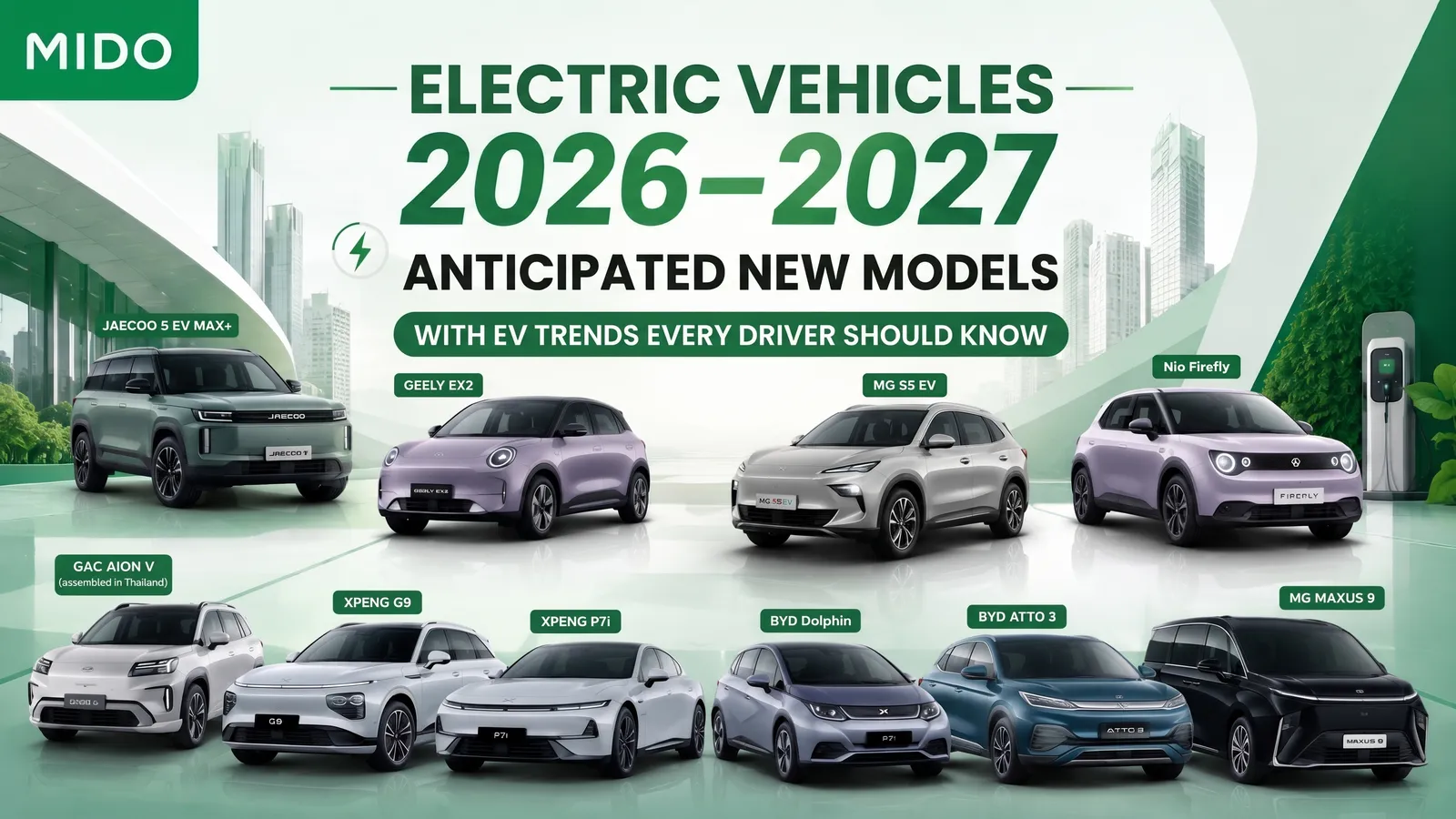
Electric Vehicle (EV) Market in 2026–2027 is experiencing rapid growth with battery technology offering longer driving ranges and faster charging speeds. Car users should consider value for money, actual driving range, and charging infrastructure before deciding to buy or rent. This article has compiled key trends and provides an in-depth look at noteworthy new EV models to help you choose the vehicle that best suits your needs.
The electric vehicle market is entering an era of major transformation. According to the Global EV Outlook 2026 report by the International Energy Agency (IEA) released in May 2026, global EV sales in 2026 are projected to reach as high as 23 million units, representing nearly 30% of total global vehicle sales. Meanwhile, the electric vehicle market in Thailand is also growing strongly. Registration statistics from the Department of Land Transport (compiled by AutolifeThailand) indicate that in July 2026, there were 21,460 registrations of 100% electric vehicles (BEV), growing 110.5% compared to the same month of the previous year and representing 36.6% of all new vehicle registrations that month. These figures reflect consumer confidence and behavior shifting toward clean energy vehicles, and the trend of renting electric EV cars is also growing by leaps and bounds.
For those studying what electric vehicle brands exist and how each model differs, you can view EV car reviews of multiple models to help with your decision here.
1. Why 2026–2027 is a period when car users should pay attention to the EV market
2026–2027 is a critical turning point for the electric vehicle market in Thailand and worldwide, due to continuously declining battery prices, fierce competition between Asian and European automakers, and expanding charging station infrastructure coverage. This gives consumers more diverse and better value options than in the past.
Key factors driving the EV market in 2026–2027 include:
Price competition and value: Entry of leading automakers into domestic electric vehicle manufacturing in Thailand (Localization) under the electric vehicle promotion policy (EV3.0 and EV3.5) has resulted in reduced production costs, leading to adjustments in retail prices that are more affordable.
Expansion of charging infrastructure: The Thai Electric Vehicle Association (EVAT) and the private sector have continuously accelerated the expansion of public charging station networks, reducing range anxiety concerns. Car users can travel across provinces with confidence.
Diversity of vehicle types: From previously being limited to sedan and small SUV segments, the market now offers options covering everything from compact city cars to large multi-purpose vehicles (MPV) and electric pickup trucks (EV Pickup) that address commercial use cases.
Battery development: Battery technology has improved energy density, making the driving range per single charge significantly longer even in entry-level vehicles.
2. Noteworthy new electric car models in 2026–2027 and what they are
The launches of new electric vehicle models are drawing considerable attention. Electric vehicles in the Thai market can be divided into 3 groups based on market status to provide consumers with accurate information and real planning guidance.
Group 1: Already launched and sold in Thailand
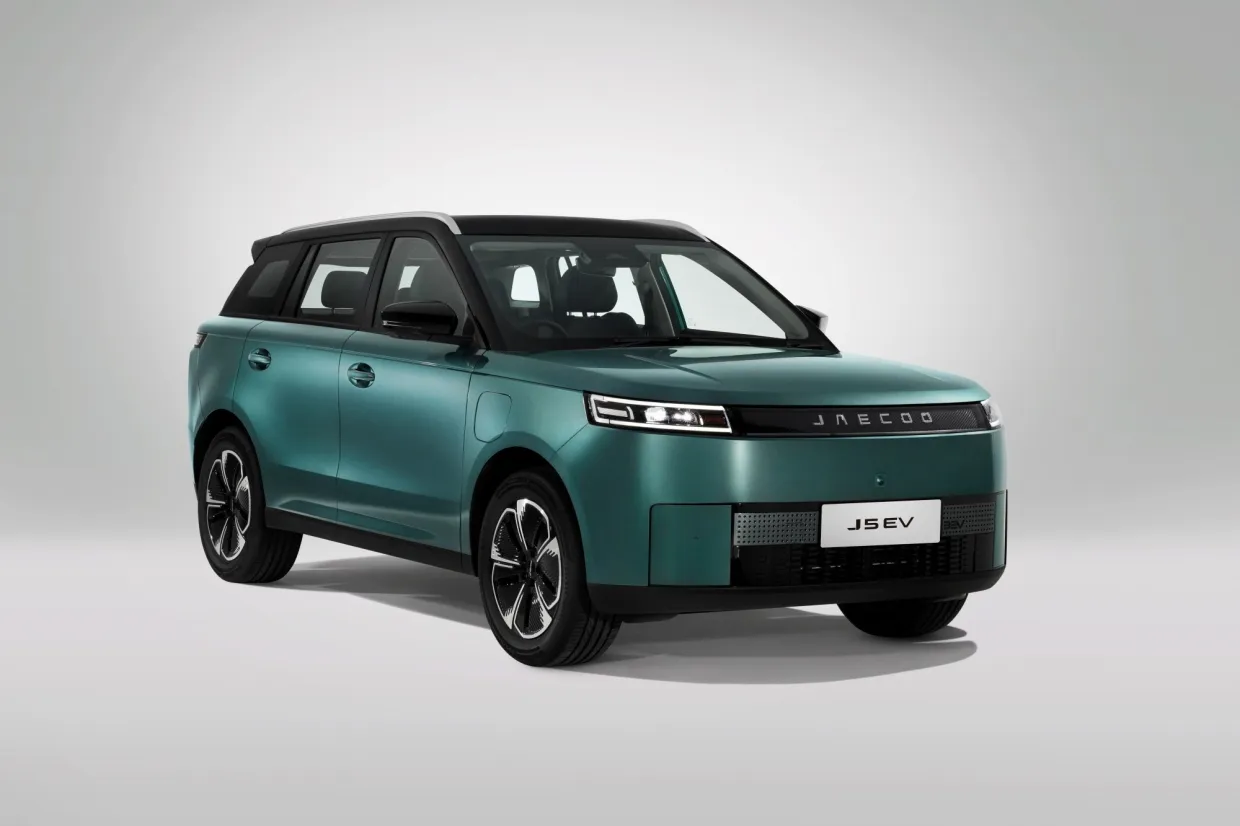
JAECOO 5 EV. Source: autoinfo.co.th
Market status in Thailand: Launched and sales started (August 2026)
Vehicle type: B-SUV / C-SUV compact with premium design
Battery technology and range: 60.93 kWh battery capacity with maximum driving range of 480 kilometers per charge (NEDC standard)
Power and charging time: Supports DC Fast Charge up to 130 kW
Highlights and limitations: Highlights include the multi-link rear suspension that enhances ride smoothness, V2L (Vehicle to Load) function, but the limitation is that driving range per NEDC standard may decrease during actual driving depending on weather and traffic conditions.
Retail price in Thailand: Approximately 679,000 baht (based on MAX+ model launch information)
Reasons to watch: It's an affordable electric SUV offering 211 horsepower and comprehensive safety technology. (Information source: AutolifeThailand - Official JAECOO 5 EV ULTRA price)
Interested in a test drive rental: Click to rent JAECOO 5 EV Max+ with Mido Car Rental
2. GEELY EX2
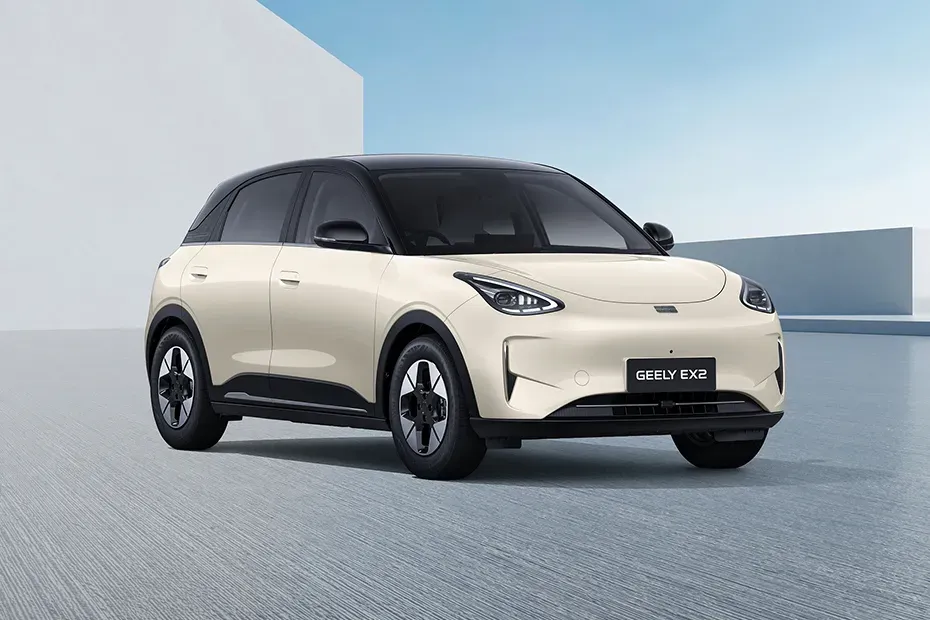
GEELY EX2 Source: Autolifethailand
Market status in Thailand: Launched and sales started (rank #1 in consecutive registrations in June and July 2026)
Vehicle type: B-SUV
Battery technology and range: 39.4 kWh battery with driving range of 395 kilometers (NEDC standard)
Highlights and limitations: Compact body size, rear-wheel drive, highly maneuverable, suited for urban living. Limitations include smaller cargo space compared to larger family vehicles.
Reasons to watch: Being the best-selling vehicle in mid-2026 reflects its value for money and high consumer acceptance among Thai buyers. (Information source: Car250 - Vehicle information and GEELY EX2 pricing)
3. MG S5 EV
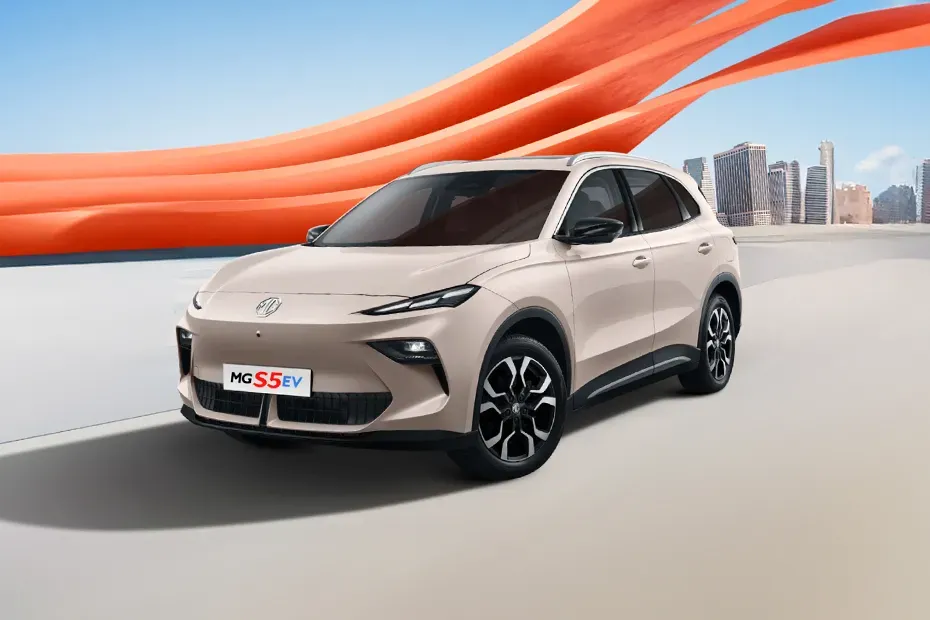
MG S5 EV Source: .zigwheels
Market status in Thailand: Launched and fully marketed in 2026
Vehicle type: Crossover SUV
Highlights: Sports design, spacious cabin, and a model that continuously drives MG's electric vehicle market forward.
Reasons to watch: Addresses those looking for a small family vehicle on a value-for-money budget with comprehensive service centers. (Information source: Official MG Thailand website / AutolifeThailand - MG S5 EV price information)
Group 2: Officially announced but not yet available for sale in Thailand
4. Nio Firefly
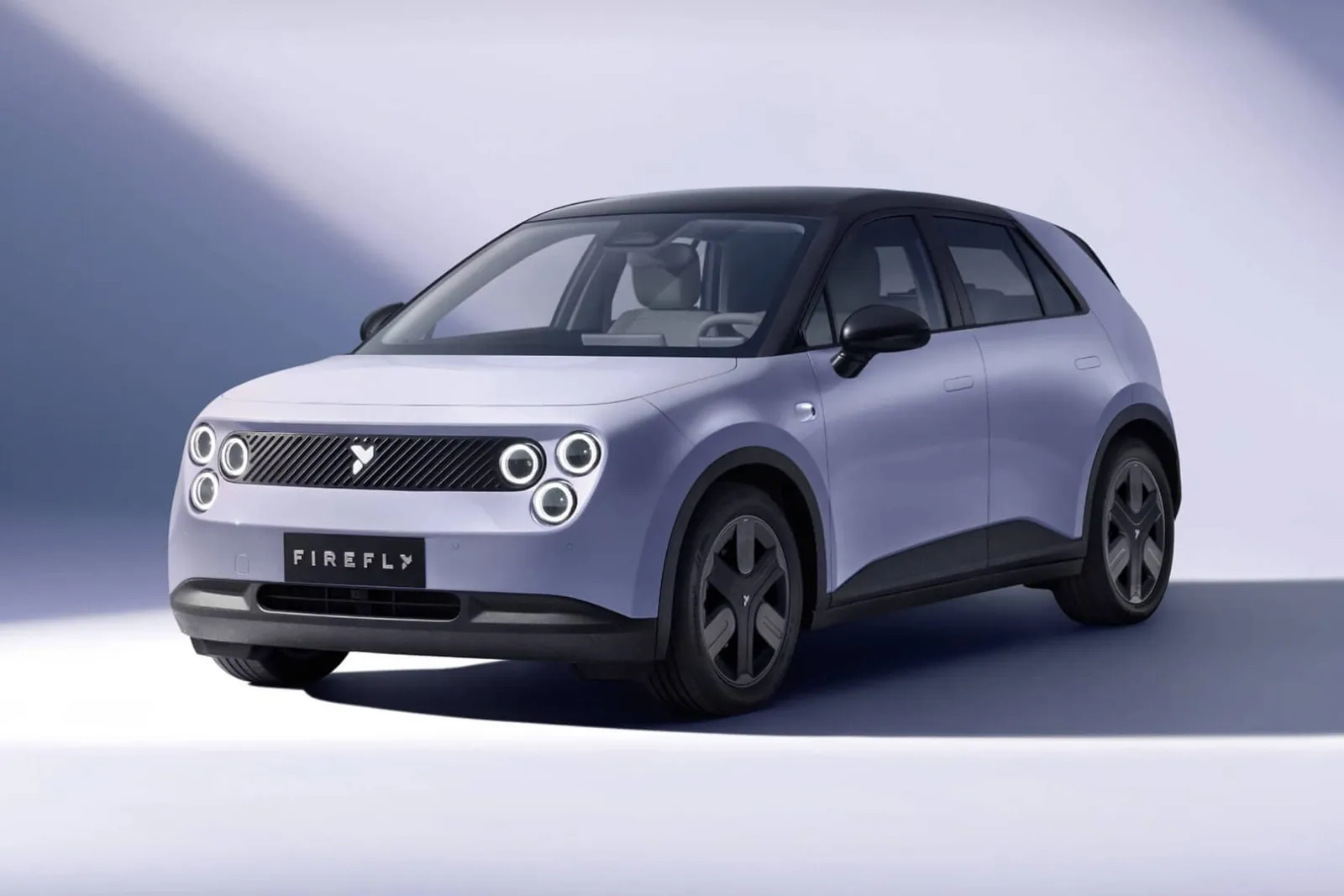
Nio Firefly Source: .Autolifethailand
Market status in Thailand: Preparing to launch officially (information updated October 2026)
Vehicle type: Premium compact Hatchback
Battery technology and range: LFP battery 42.1 kWh capacity with driving range of 400 kilometers (NEDC standard)
Power and charging time: Supports DC Fast Charge 10-80% within 30 minutes
Highlights: Rear-wheel drive motor with 141 horsepower delivering driving fun, and Nio's intelligent software system.
Reasons to watch: Nio brand is considered a leader in technology and software. The sub-brand Firefly's entry to reach the mass market will set new standards for small electric vehicles. (Information source: AutolifeThailand - Nio Firefly launch preparation in Thailand)
5. GAC AION V (Thailand assembly model)
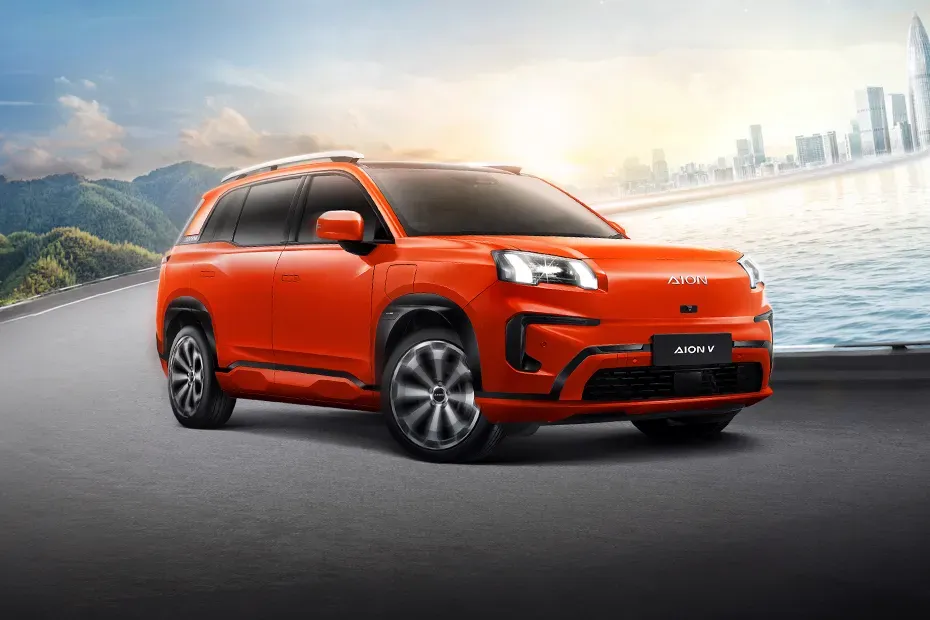
GAC AION V Source: .Autolifethailand
Market status in Thailand: Details and pricing announced, preparing for delivery
Vehicle type: C-SUV multi-purpose
Retail price in Thailand: Recommended launch price range 739,900 – 799,900 baht
Reasons to watch: Establishing a production line in Thailand demonstrates the brand's commitment, and pricing below 800,000 baht in the C-SUV segment makes it a very strong option. (Information source: Zigwheels - News on GAC AION V assembly in Thailand)
Group 3: News or trends that still need to be monitored
6. XPENG G9 and XPENG P7i
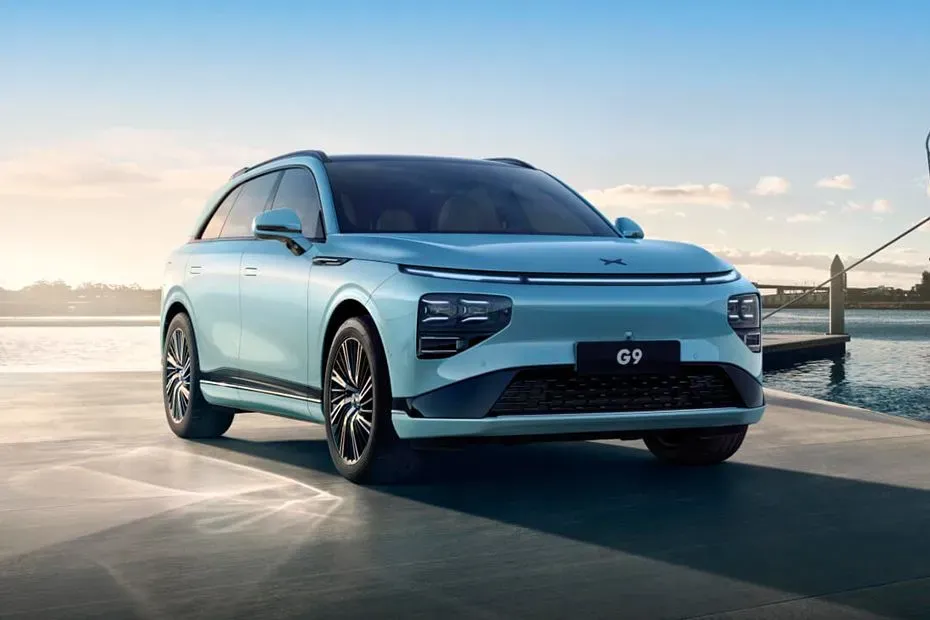
XPENG G9 Source: .zigwheels
Status: There are reports predicting official market entry in Thailand in late 2026 to 2027
Vehicle type: Premium SUV and Premium Sport Sedan
Reasons to watch: XPENG is a brand with strengths in semi-autonomous driving (Autonomous Driving) systems and 800V platform with extremely fast charging. If it enters at competitive pricing, it would become a formidable premium player. (Information source: Official XPENG Global website)
3. EV trends in 2026–2027 that car users should know
To understand the direction of electric vehicles comprehensively, here are 5 key trends that directly impact car users:
Battery and Driving Range
Lithium Iron Phosphate (LFP) battery technology has become the primary standard for mass-market electric vehicles due to its high safety, durability under frequent 100% full charges, and affordable cost. In 2026–2027, automakers have improved battery cell arrangement structures through Cell-to-Pack (CTP) and Cell-to-Body (CTB) designs, increasing energy density and enabling compact vehicles to achieve 400–500 kilometers of driving range according to NEDC or CLTC standards (real-world usage should account for approximately 20-30% range reduction). Solid-State batteries remain in development for high-end vehicles and will not be widely available in the near future.
Fast Charging Technology
The 800-volt (800V Architecture) electrical platform is expanding from premium vehicles down to C-SUV models, supporting DC charging power up to 200 kW and beyond, reducing charging time from 10% to 80% to just 15-20 minutes (depending on public charger efficiency and the vehicle's battery thermal management system). However, most B-SUV vehicles still use 400-volt architecture, which supports average charging at 80-130 kW.
Driving Assistance Systems and Software
Electric vehicles in 2026–2027 stand out for their intelligent onboard operating systems, wireless smartphone connectivity functions, and Level 2 to 2.5 Advanced Driver Assistance Systems (ADAS) as standard in nearly every model variant. Additionally, Over-The-Air (OTA) software update capability allows vehicles to improve performance, add new driving functions, and fix system bugs like smartphone app updates without requiring a service center visit.
Diverse EV Sizes and Applications
The market has moved past the era of sedans only. We are now seeing clear product segmentation, from Micro-EVs for short-distance urban commuting to rapid growth in B-SUV, crossover, and 7-seat electric MPV segments designed for large families seeking weekend travel options. This trend enables consumers to select vehicles sized and configured precisely for their actual usage patterns.
Total Cost of Ownership
Total Cost of Ownership (TCO) of electric vehicles requires careful calculation. Although charging costs via home electricity meters under Time-of-Use (TOU) rates are significantly lower than gasoline, 2026 consumers must also consider other costs: higher public charging station rates compared to home electricity, electric vehicle insurance premiums that may exceed comparable combustion vehicles, as well as depreciation rates and resale prices in the used car market—all of which represent challenges that buyers must analyze alongside daily savings.
4. What to Consider Before Buying an EV
The decision to transition to an electric vehicle should not be based solely on popularity trends, but primarily on the "actual usage patterns" of the driver. Here are practical recommendations:
Assess daily driving distance: If you average 30-50 kilometers per day, a small battery EV (30-40 kWh) is sufficient for your needs and offers better value for money.
Charger availability at home or work: Having an EV Charger installed at home or an AC charging point at the office is the key to convenient and economical EV use. Condominium residents must verify that central charging stations are adequate.
Insurance premiums and battery warranty terms: Check policy coverage and battery warranty duration/mileage (typically 8 years or 160,000 kilometers).
Cargo space and passenger capacity: Vehicles built on dedicated EV platforms typically have front storage (Frunk) and passenger cabin space more spacious than those adapted from combustion engine platforms.
EV Consideration Comparison Table by Usage Behavior
User Group | Driving Pattern | Suitable Battery Size | Special Considerations |
City Commuters | Commuting to work, primarily dealing with traffic congestion | 35 – 50 kWh | Maneuverability, power consumption in traffic, AC charging at home |
Long-Distance / Inter-Provincial Travelers | Frequent cross-province driving, primarily highway use | 60 kWh and above | DC charging power (faster charging capability), seat comfort |
Large Families | 4-7 passengers or transporting large amounts of cargo | 70 kWh and above | Interior space (SUV/MPV), rear suspension for passenger comfort |
5. EV Charging in Thailand: What You Should Know Before Real-World Use
In Thailand, electric vehicle charging is divided into two main types: AC Charging (Alternating Current), commonly found at homes, workplaces, or shopping mall parking areas, taking overnight or approximately 6-8 hours to charge, and DC Fast Charging (Direct Current), located at gas stations and major highway charging stations, capable of charging from 20% to 80% in an average of 30-50 minutes.
A fact often overlooked by new users is that DC charging power is not constant throughout the charge. The vehicle's Battery Management System (BMS) reduces charging power once battery capacity exceeds 80% to protect battery cells from rapid degradation. Therefore, trip planning should target 80-90% charge before continuing, which saves time compared to waiting for a full 100%.
For locating charging stations, current EV users should have a centralized application or chargers from various networks installed on their devices. 10 EV charging apps that help find charging stations throughout Thailand help you plan routes, reserve chargers in advance, and check station availability in real-time.
6. How to Start Test-Driving an EV Before Purchase
The question of "Is an EV really suitable for me?" is difficult to answer without practical testing in daily life. A brief test drive at a showroom may not be sufficient to experience the charging process, regenerative braking, or managing low battery situations.
The most popular and effective approach is renting an electric vehicle for real-world testing.
Evaluate daily life with short-term rentals: Daily and monthly EV rental services allow you to drive to work and try charging at home or shopping malls to see if it fits your lifestyle.
Travel to other provinces to test the charging network: If you enjoy traveling, you can rent an EV for a long-distance trip. See MIDO's EV rental services. This experience will answer whether you can accept charging waits at intermediate stations.
Alternative after flying: For travelers or business people flying between regions, choosing to rent a car at the airport and continue by EV is a convenient option that helps reduce pollution in tourist areas.
Recommendations for beginners: If this is your first encounter with this vehicle type, first study basic rental information at the article What first-time car renters should know and don't forget to check Promotions for the best offers.
7. EVs Available for Rent at MIDO Car Rental and Who They Suit
For those interested in trying electric vehicles, MIDO Car Rental's rental services offer diverse options suited to different travel patterns, as follows:
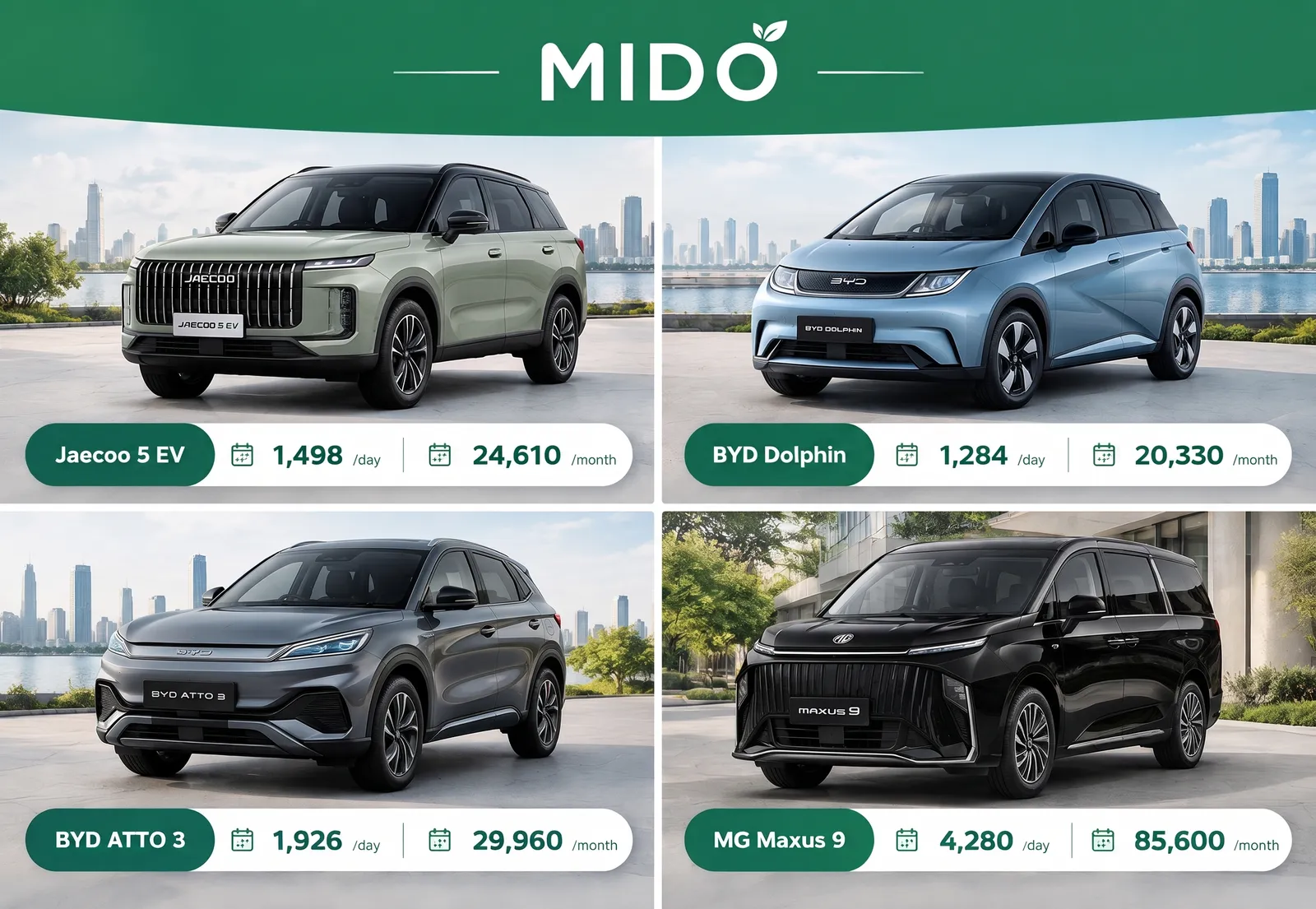
BYD Dolphin
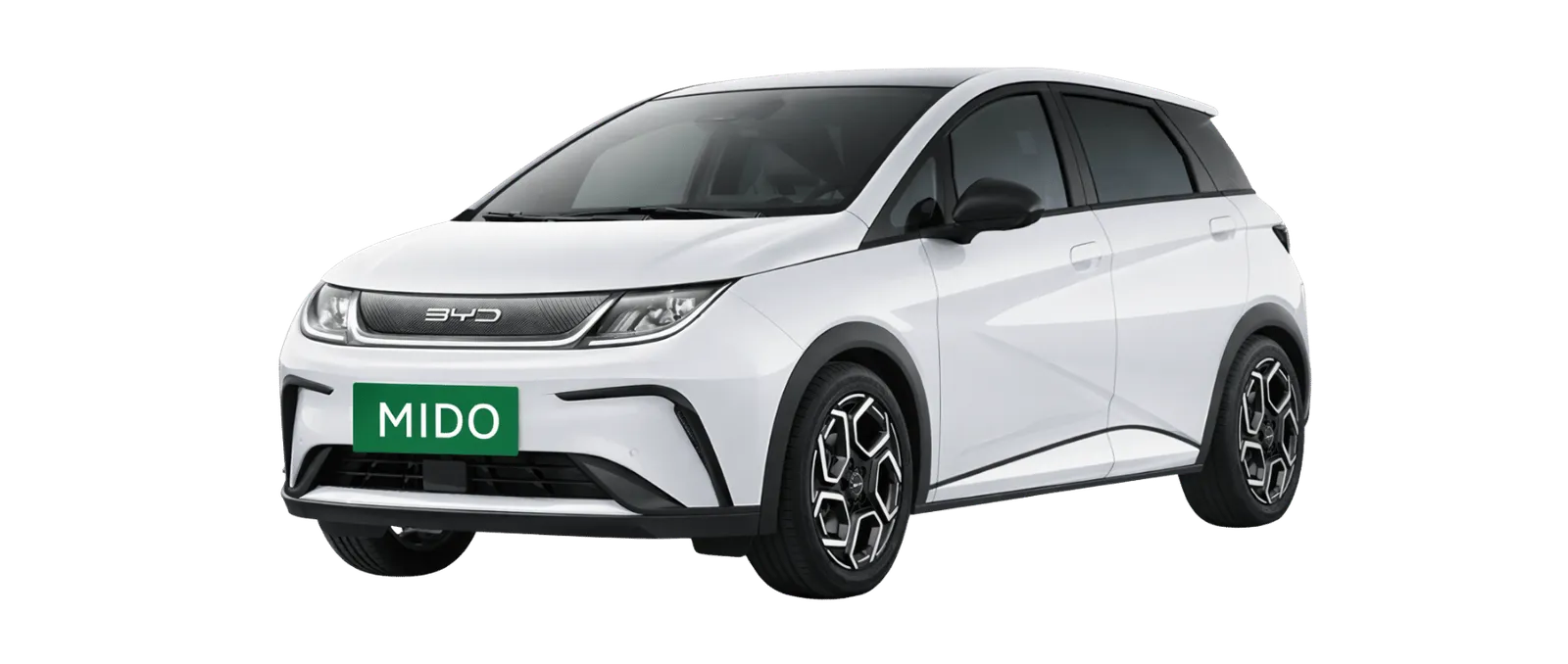
BYD Dolphin is a 100% electric hatchback with compact dimensions but spacious interior, ideal for urban driving, navigating narrow alleys, and parking. With its tight turning radius and high maneuverability, if you live in the city, commute to work, or are a student seeking an easy-to-drive vehicle, this model is the best starting point for experiencing an EV.
BYD ATTO 3
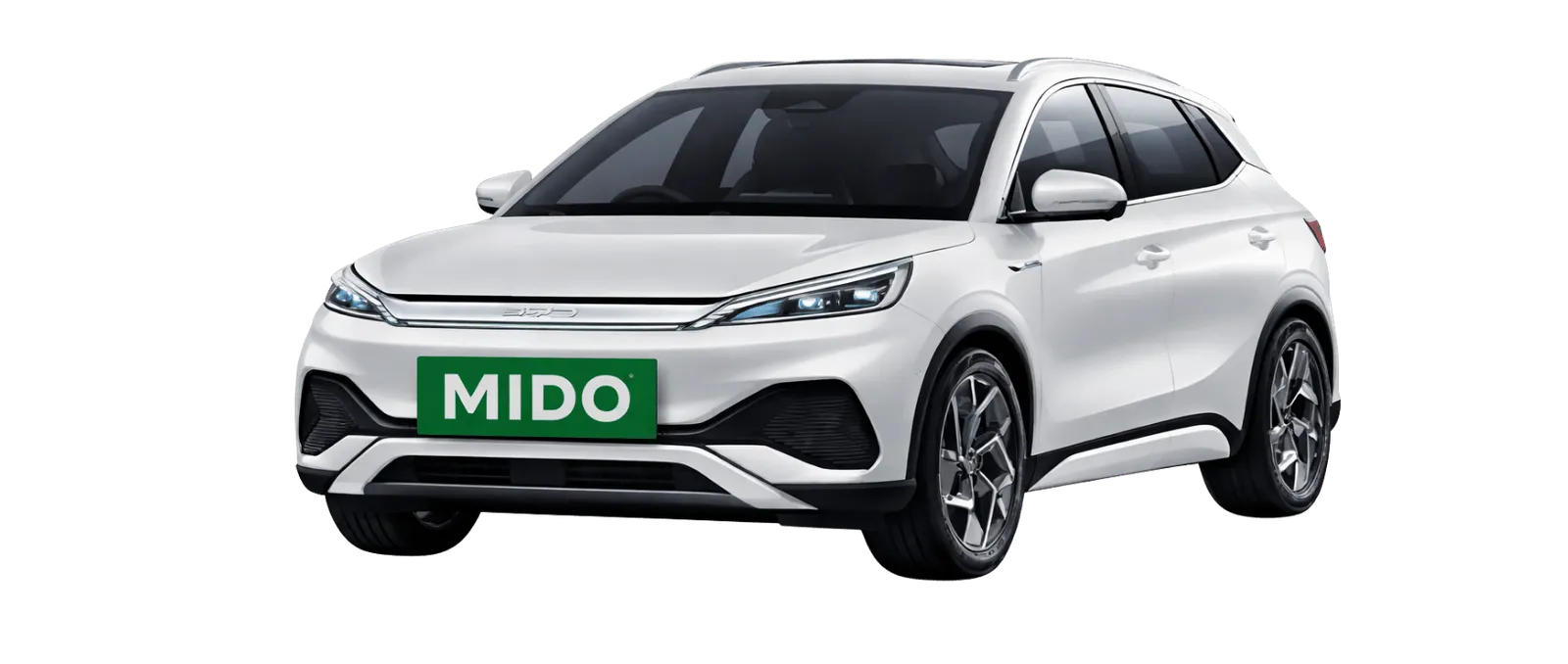
BYD ATTO 3 is a hugely popular sport crossover SUV, ideal for working-age individuals and small families seeking a vehicle capable of both city driving and inter-provincial trips. The rear cargo area is appropriately sized, and with its battery size and driving range meeting standards, it's a versatile all-in-one vehicle that fits perfectly.
JAECOO 5 EV Max ++
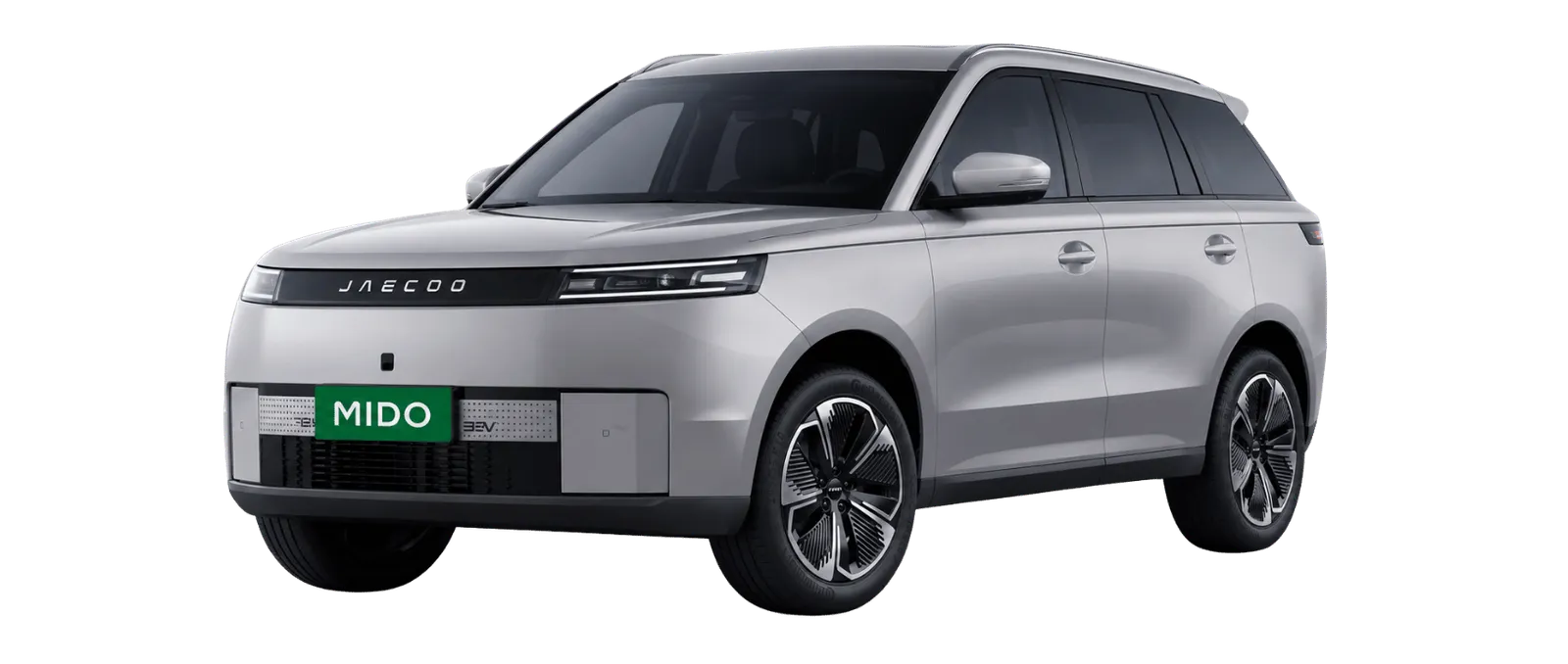
JAECOO 5 EV Max Plus is a luxury electric SUV recently launched in Thailand, featuring a multi-link suspension system providing a premium, smooth driving feel. It suits those seeking a distinctive image, business professionals, or those wishing to experience cutting-edge technology and software before anyone else.
MG MAXUS 9
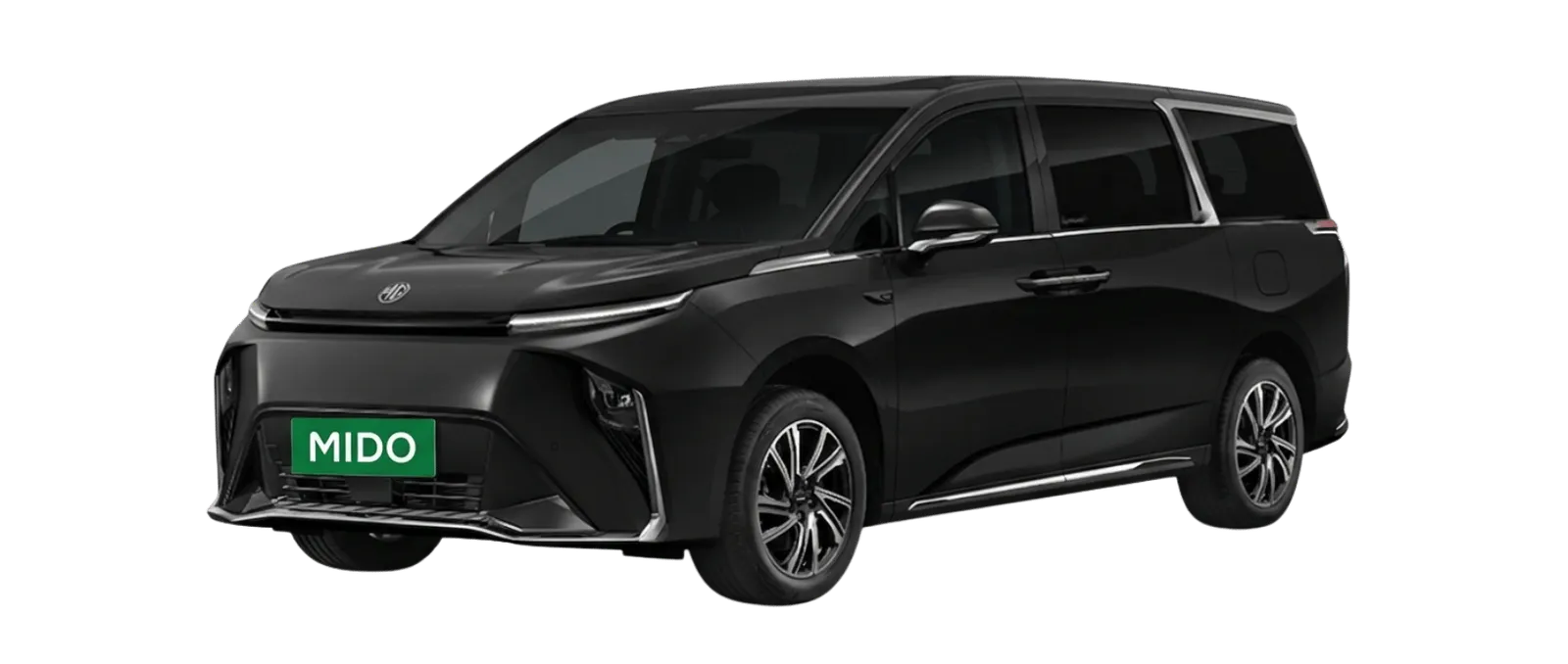
MG MAXUS 9 is a fully luxury electric MPV with 7 seats, ideal for large family travel, golf trips, or corporate client transportation. This vehicle stands out with its middle-row Captain Seats featuring electric adjustment, providing maximum comfort for all long-distance journeys.
EV Rental Comparison Table for Assessing Suitability
Model | Vehicle Type | Suitable Usage | Key Highlights to Consider |
BYD Dolphin | Hatchback | City driving, short-distance trips | High maneuverability, easy parking, economical rental rate |
BYD ATTO 3 | C-SUV | Small families, inter-provincial trips | Versatile, smooth suspension, sporty design |
JAECOO 5 EV | Premium SUV | Business users, testing new technology | Excellent suspension vibration dampening, comprehensive features |
MG MAXUS 9 | Luxury MPV | Large families, executives, group trips | Spacious passenger area, VIP seating |
(Note: Vehicle models are presented as rental options for user consideration only, to assist in decision-making)
8. Frequently Asked Questions About 2026–2027 Electric Vehicles (FAQ)
1. What interesting new EV models will there be in 2026–2027?Answer: Notable models in the B-SUV and C-SUV segments include JAECOO 5 EV, GEELY EX2, MG S5 EV, and GAC AION V. Upcoming market entries generating buzz include Nio Firefly and premium vehicles from XPENG.
2. How do new EV models differ from previous versions?Answer: New models use Cell-to-Pack battery technology providing higher energy density, enabling greater range with the same battery size. They also support higher-power charging systems, allowing faster full charges than before.
3. How many kilometers can an electric vehicle actually travel on a single charge?Answer: Real-world range depends on testing standards (such as NEDC or WLTP), driving behavior, and traffic conditions. Average mid-range EVs in 2026 can achieve approximately 350–450 kilometers of actual driving range per full 100% charge.
4. How long does it take to charge an EV once?Answer: AC (alternating current) home charging takes 6-9 hours, but DC fast charging at public stations from 20% to 80% averages 30-50 minutes, depending on vehicle specs and charger type.
5. Should I buy a 2026 EV or wait for a 2027 model?Answer: If your current usage patterns match available vehicle specs and you have home charging capability, purchasing in 2026 is worthwhile and meets your needs, as technology is now highly stable.
6. Can I use an EV without home charging?Answer: Yes, but you lose convenience and maximum savings. You'll depend on public charging stations, which charge more than home electricity rates and require travel time.
7. Should I test-drive an EV before buying?Answer: Absolutely. Renting an EV for 2-3 days lets you experience the actual driving feel, range management, charging logistics, and determine whether it truly suits your lifestyle before making a purchase commitment.
8. What EV models does MIDO Car Rental have available?Answer: We offer electric vehicles spanning all segments: BYD Dolphin for city use, BYD ATTO 3 for versatility, JAECOO 5 EV for luxury, and MG MAXUS 9 for families or executives.
Conclusion: Selecting an EV Suited to Your Needs in 2026–2027
Deciding to enter the electric vehicle world in 2026–2027 is exceptionally well-timed, given the market's rapid advances in battery innovation, charging infrastructure, and vehicle variety. However, EV purchase decisions should not focus only on price and driving range figures; drivers must also consider environmental factors including home charger installation readiness, insurance costs, and most importantly, daily driving patterns.
If you're unsure whether an EV fully satisfies your lifestyle, test-driving through short-term rentals—either during daily commutes or extended holidays—offers the most accurate assessment method.
To experience electric vehicle driving before committing to a purchase, explore MIDO Car Rental's EV models and services to select the vehicle best matching your travel plans and usage needs.
References :
International Energy Agency (IEA). "Global EV Outlook 2026: Growing sales amid an energy crisis." Published May 2026. (URL:
[https://www.iea.org/reports/global-ev-outlook-2026](https://www.iea.org/reports/global-ev-outlook-2026)) - Global EV sales proportion data: 23 million unitsAutolifeThailand / Department of Land Transport (DLT). "EV 100% Registration Numbers in Thailand, July 2026." Published August 2026. (URL:
[https://autolifethailand.tv/ev-bev-register-thailand-july-2026/](https://autolifethailand.tv/ev-bev-register-thailand-july-2026/)) - EV registration data: 21,460 units and top-selling models rankingCar250 / Automotive Media. "Information and Specs: JAECOO 5 EV MAX+ Launch in Thailand." Accessed and cited October 2026. (URL:
[https://www.car250.com/](https://www.car250.com/)) - Battery specs, charging power, and NEDC driving range data for JAECOOAutoinfo. "2026 New Vehicle Launches Expected in Thailand." Published October 2026. - Trend data on Nio Firefly and other models
About the author

Nattamon Khonngam
Online Marketing
Bachelor of Business Administration, Kasetsart University (2014-2018)
Master’s Degree in Marketing and Management, Western University (Current)
Online Marketer, specializing in Content Marketing, SEO & Digital Marketing
Skilled in AI, Data Analytics, Content Strategy & Digital Marketing